On this page
A useful budget grocery shop starts with meals you will actually eat and the money you have available. Check what is already in your kitchen, choose a few meals that share ingredients, and write down only what is missing. You do not need a cupboard full of specialist wellness products to begin.
Your list also needs to fit your cooking time, equipment and storage space. Dried beans might suit someone with time to cook a large pot. Canned beans might suit a person who needs dinner quickly. The better purchase depends on what you can use.
Start with your kitchen
Look through the fridge, freezer and cupboard before choosing recipes. Write down the foods you want to use soon, checking dates and storage instructions as you go. Then build meals around them. If you already have rice, a tin of beans and carrots, your list might only need eggs and a vegetable you enjoy.
Choose familiar meals for most of the week. One new recipe can be enough, especially if it needs several ingredients you do not normally buy. The USDA budget tip sheet recommends planning meals around your budget, comparing unit prices and avoiding purchases that will go to waste.
Leave room for a meal that takes very little work. That could be beans on toast, an omelette with vegetables, or a sandwich and fruit. A shopping list that assumes you will cook from scratch every evening may be difficult to follow during a busy week.
Compare the price you can use
The shelf price tells you what you pay today. The unit price lets you compare equivalent amounts, such as the price per kilogram. Make sure both products use the same unit before comparing them.
A larger packet may have a lower unit price and still be the wrong choice if it exceeds your available cash or you cannot store it. Consider how much you expect to use. A smaller bag that gets eaten can be more useful than a bargain bag that sits untouched.
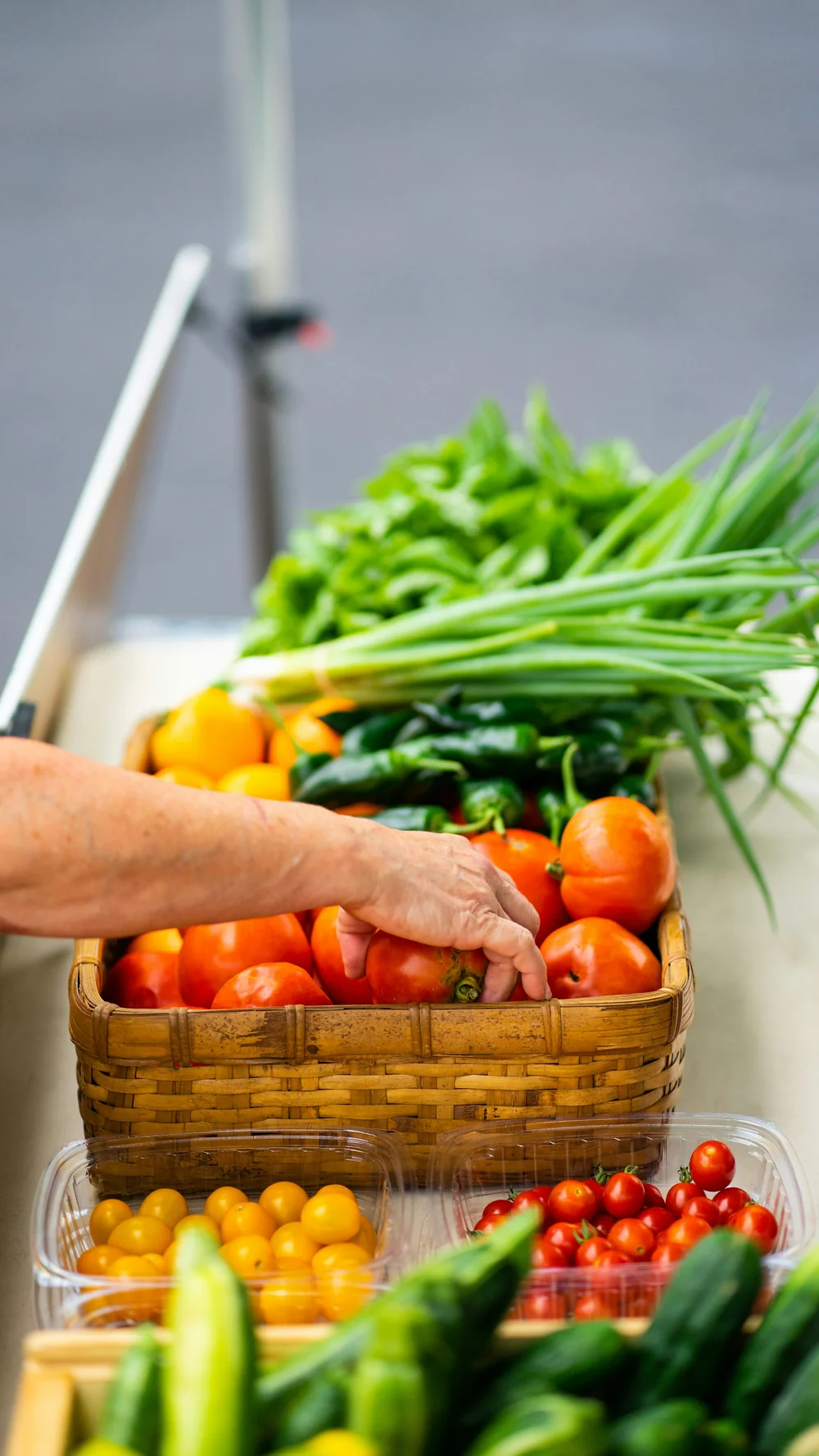
Compare different forms of the same food, too. Fresh, frozen and canned vegetables can all fit a healthy diet. For packaged options, check for added sugars or excess sodium, as WHO healthy-diet guidance advises. Local prices will decide which option is affordable on the day.
Give ingredients more than one job
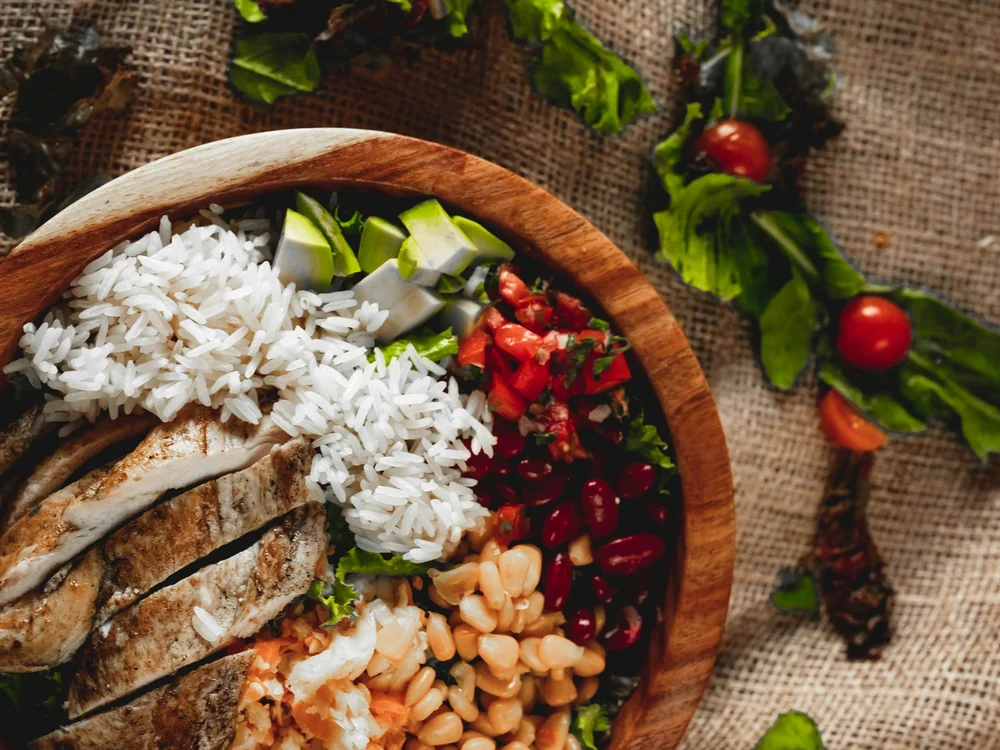
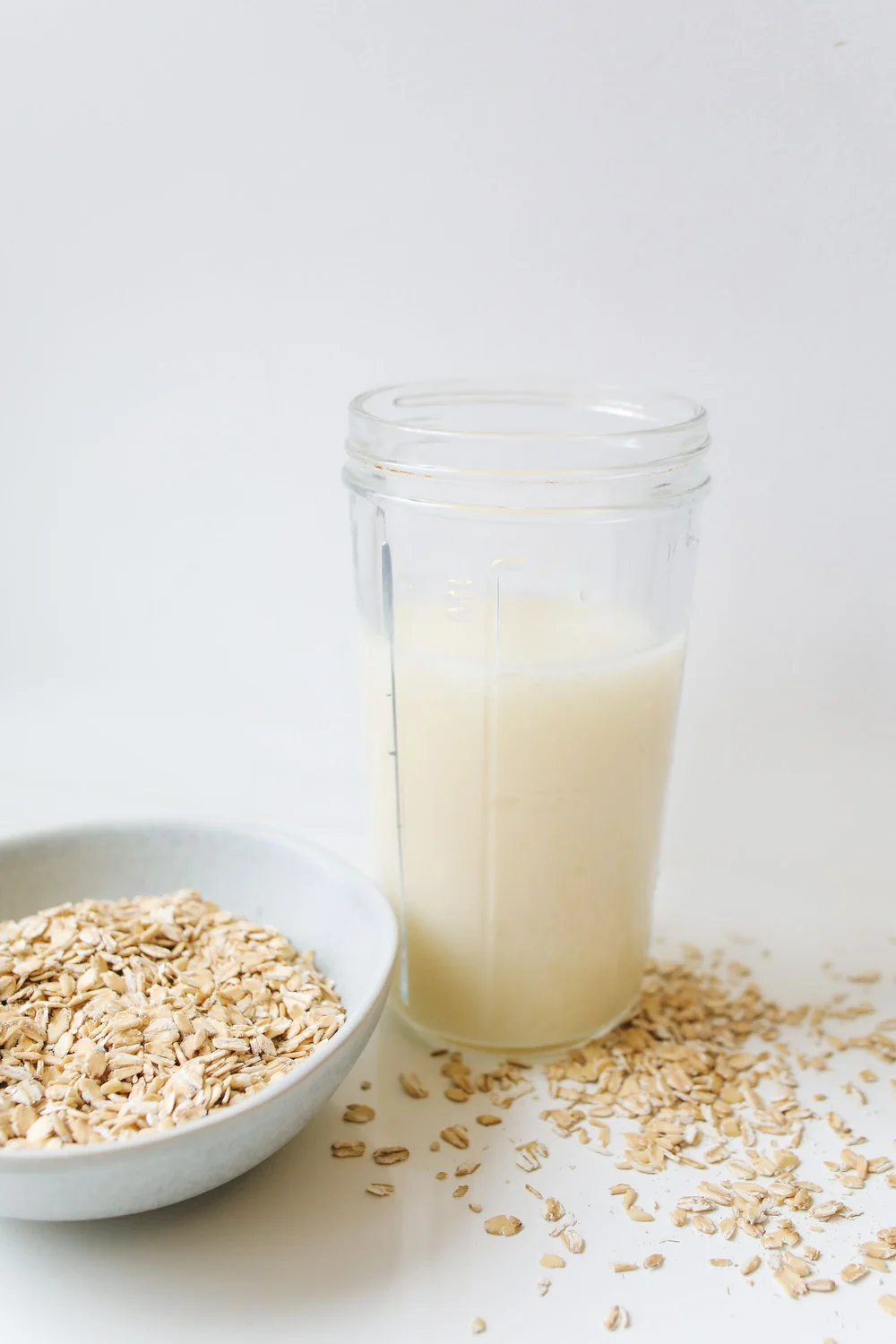
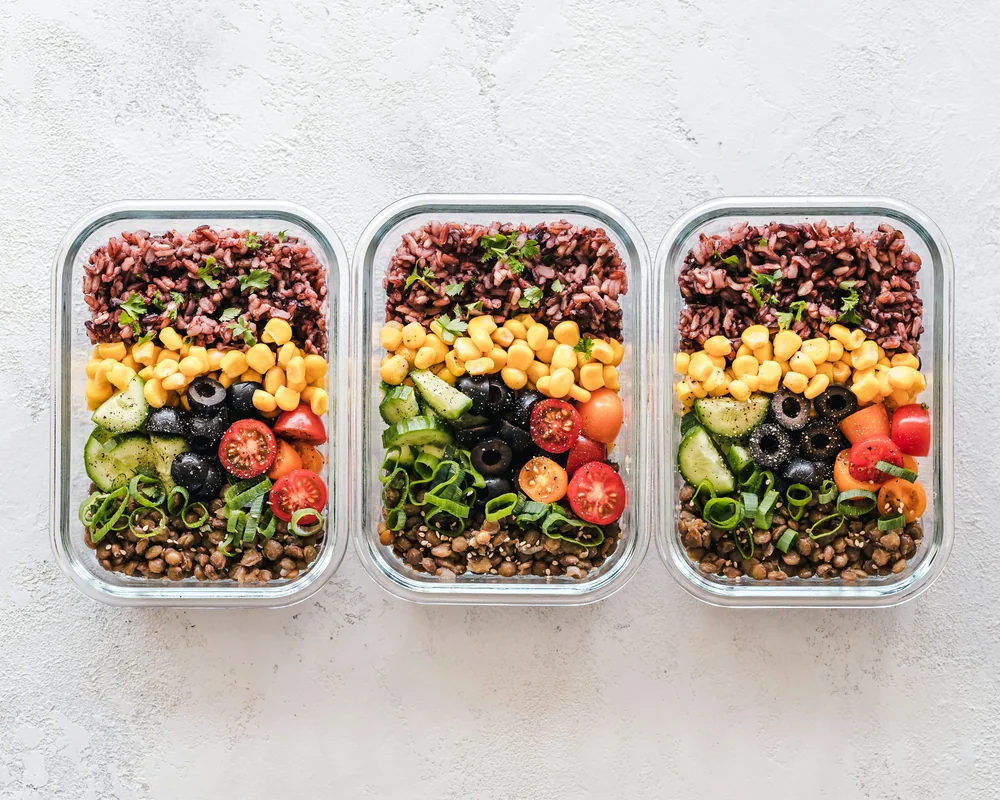
Imagine buying oats, eggs, beans, rice, carrots, frozen vegetables and some fruit. Those foods could become porridge, egg toast, a bean-and-rice bowl, or a vegetable omelette. This is an example of ingredient overlap, not a complete meal plan or a claim that this basket meets everyone's needs.
Keep flavour in the budget. A seasoning you already like may help you use the same basic ingredients in different meals. Before adding another sauce or spice, check whether something at home will work.
After the shop, keep the receipt and note which foods you used. At your next shop, reduce quantities that were too large and repeat the meals that fitted your time. Prices change, so a useful list can change with them.
FROM READING TO PRACTICE
See how the method fits together.
Explore the open eight-week demo. Sample content only; training footage, final recipes and enrollment are still being prepared.
Explore the meal ideas demoFollow Natalia on Instagram