On this page
There is no reliable rule that a health habit becomes automatic after 20 days. A short challenge can give you a period to practise, but its final day cannot tell you whether a routine will now happen without much thought. Choose something you can repeat and allow time to learn what helps it fit your life.
A systematic review of health-habit formation found substantial variation in how long habits took to develop. Only a few studies directly reported formation times, and the evidence had limitations, including differences between methods and risk of bias. Replacing 20 days with another guaranteed number would give the findings more certainty than they support.
Define one action you can recognise
"Be healthier" is difficult to practise because it does not say what to do. A more specific action might be checking tomorrow's lunch ingredients after dinner. You can tell whether you did it, and you can see what prevented it when you did not.
Choose an action you have a reason to repeat. If preparing lunch matters because your work break is short, keep that reason in view. You do not need to copy someone else's morning routine when your own schedule works differently.
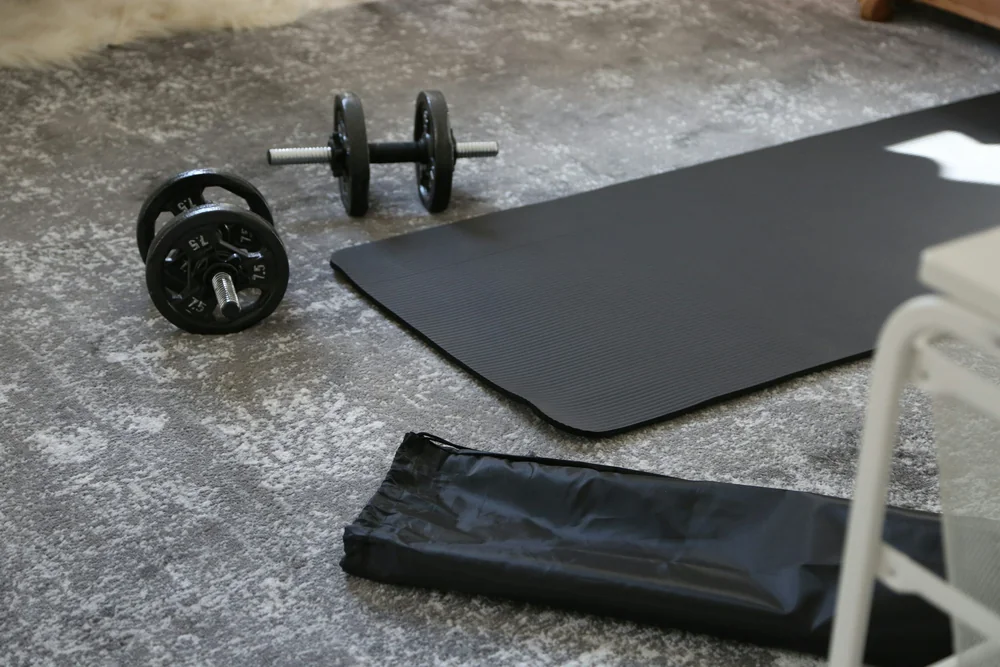
For an exercise routine, arranging equipment or choosing a session time can be a useful preparation step. It does not provide the benefits of completing the exercise itself. Keep the distinction clear so that a small starting action supports the larger activity you care about.
Give the action a place in your day
Link your chosen action to an event that already happens reliably. For example: after clearing the dinner plates, check what is available for tomorrow's lunch. Put the shopping list somewhere you can use it at that moment.
Treat this as an experiment. If the cue regularly happens while you are rushing out of the door, move it. If the action requires finding several things first, organise those things beforehand. A routine that works on a quiet weekend may need another version on a working day.
NIDDK's guidance on changing habits recommends planning around barriers, keeping track of progress and getting back to your plan after setbacks. These are tools to try, not a guarantee that every routine will become automatic.
Review the difficulty, not just the streak
At a time you choose, look back at a few attempts. Did you remember the action? Could you begin without much preparation? Was the plan realistic when you were tired? A brief note may be more useful than a long tracker.
When you miss an attempt, identify the practical reason if you can. An unavailable ingredient suggests a different problem from an inconvenient time. Change the relevant part and try again at the next suitable opportunity.
You may still need reminders after a challenge ends. Keep them if they help. If the routine stays awkward, reduce its complexity or reconsider whether it serves your needs. The next useful decision is about the action and its setting, not whether you passed a deadline.
FROM READING TO PRACTICE
See how the method fits together.
Explore the open eight-week demo. Sample content only; training footage, final recipes and enrollment are still being prepared.
Explore the training demoFollow Natalia on Instagram