On this page
Start working out again with a manageable session that fits where you are now. You do not need to double the next workout to repay a missed one. If illness, pain or exhaustion caused the break, deal with that first and adjust your return accordingly.
If you missed one session
Look at the next few days before moving anything. If rescheduling creates back-to-back demanding sessions or removes needed recovery, leave the missed workout behind. In a structured program, ask its instructor how to rearrange sessions; some workouts build on earlier practice.
If the break lasted longer
Do not use an old training log as proof of your current level. Choose familiar movements and a manageable workload, with instructor guidance when needed. There is no single percentage reduction or timetable for every break.
UNC Health and Houston Methodist discuss gradual restarts and current readiness. If you need fresh instruction, use the beginner home strength guide.
Use a first-session-back checklist
- Name what interrupted you: scheduling, travel or something that needs health advice.
- Choose an available session with instructions you understand.
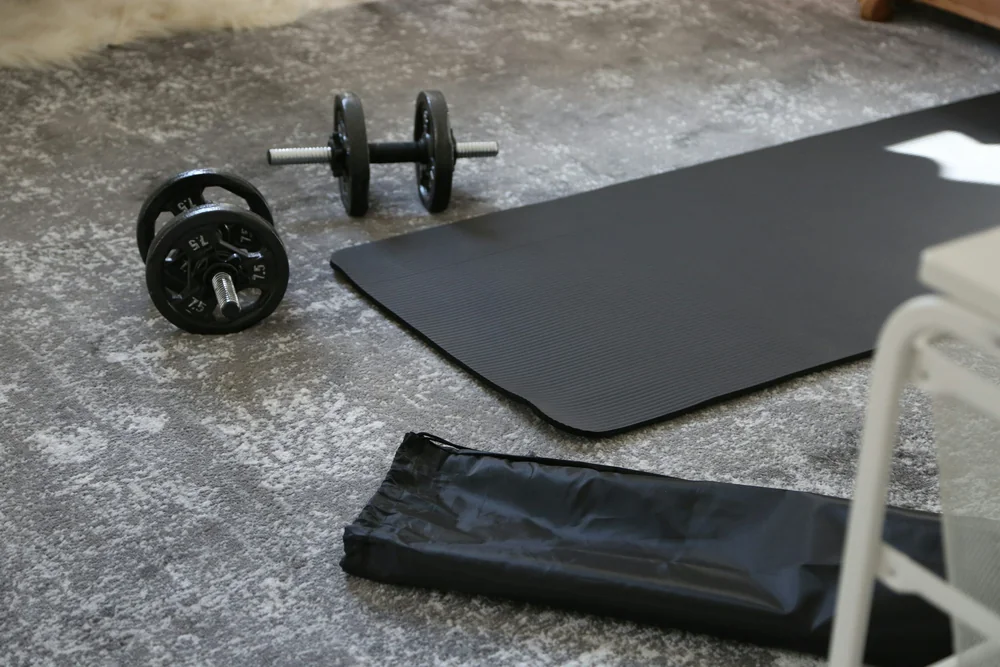
- Check the equipment and easier options in advance.
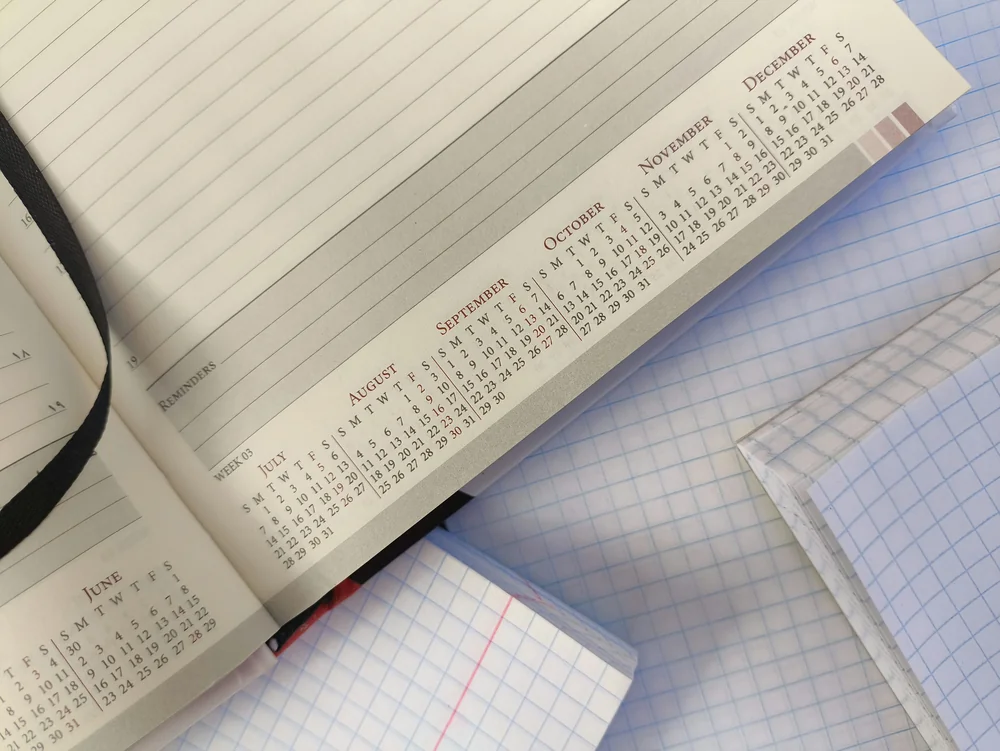
- Put a realistic session and backup time in your calendar, allowing for recovery.
- Afterward, note what was manageable and what needs adjusting.
A shorter suitable class may fit a busy day. A walk also includes movement, but does not automatically replace a strength session. If the same obstacle keeps returning, try the habit guide to choose a smaller action and a useful cue.
When to rest or get individual advice
Do not use guilt to override symptoms. Stop and seek medical advice for chest pain, dizziness or feeling very unwell. NHS safety advice. Persistent pain, significant illness, pregnancy or recent surgery may need individual guidance. This is not rehabilitation or a condition-specific plan.
Call local emergency services immediately for sudden chest pain that does not go away, pain spreading to an arm, neck, jaw, stomach or back, or chest pain with sweating, nausea, light-headedness or shortness of breath. NHS chest-pain guidance
FROM READING TO PRACTICE
See how the method fits together.
Explore the open eight-week demo. Sample content only; training footage, final recipes and enrollment are still being prepared.
See the sample weekFollow Natalia on Instagram